Neck & Head Equipment
Cowboy Collar
Cowboy Collar
Cowboy Collar
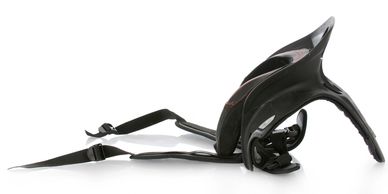
A Cowboy Collar is a type of football neck collar that attaches to or works with shoulder pads and surrounds the back and sides of the player's neck.
Its purpose is primarily mechanical: the collar can help limit certain neck movements, particularly excessive cervical extension.
Research examining football neck collars has found that cervical collars can reduce cervical hyperextension compared with shoulder pads alone.
Cowboy Collars have historically been used by football players concerned about neck injuries, including stingers and burners.
A Cowboy Collar can:
Provide additional padding around the neck
Limit certain neck movements
Reduce excessive neck extension
Add another layer between the player's neck and surrounding equipment
Neck Roll
Cowboy Collar
Cowboy Collar
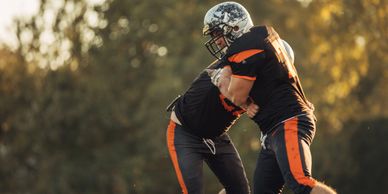
A football neck roll is another traditional form of neck protection.
Neck rolls are generally made from padded materials and attach to the shoulder pads or sit around the back of the neck. They can provide padding and restrict certain movements of the head and neck.
Neck rolls have historically been associated with reducing the severity or frequency of certain neck-related problems, particularly stingers and burners.
However, a neck roll should not be described as a concussion-prevention device. Its primary function is related to the neck and cervical region rather than controlling movement of the brain inside the skull.
Neck Roll vs. Cowboy Collar
The two products are similar in purpose but can differ in construction and the amount of movement they restrict.
Neck Roll:
Primarily padded support around the neck.
Cowboy Collar:
A more structured collar designed to provide support and restrict certain neck movements.
Neither should automatically be considered equivalent to a device designed specifically for repetitive head-impact protection.
Q-Collar
Cowboy Collar
TopSpin 360: Neck-Strength Training

The Q-Collar takes a fundamentally different approach.
Rather than physically restricting neck movement like a traditional neck roll or Cowboy Collar, the Q-Collar is worn around the neck and applies light pressure to the sides of the neck.
According to Q30, the device is intended for athletes ages 13 and older and is designed to help protect the brain from effects associated with repetitive subconcussive head impacts. Q30 also states that the Q-Collar is designed to work alongside helmets, shoulder pads, neck rolls and other equipment.
The Q-Collar therefore belongs to a different category of football protective technology.
Q-Collar vs. Neck Roll
The easiest way to understand the difference is:
Neck Roll:
Designed primarily around the neck and limiting certain movement.
Q-Collar:
Designed around a different mechanism involving pressure around the neck and repetitive head impacts.
These technologies should not be presented as interchangeable because they address different problems.
TopSpin 360: Neck-Strength Training
TopSpin 360: Neck-Strength Training
TopSpin 360: Neck-Strength Training
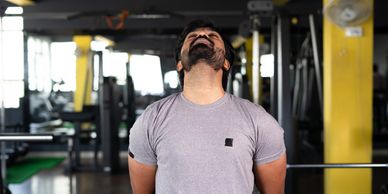
TopSpin 360 represents another category: neck-strengthening equipment.
Instead of acting as protective equipment during a football play, neck-training systems are designed to help athletes develop the muscles that support and control the head and neck.
This distinction is important.
There is a difference between:
Protective equipment → worn during football to provide protection or restrict certain movement.
Training equipment → used during workouts to develop physical attributes such as neck strength.
For athletes, neck-strength training can therefore be considered part of a broader approach to neck preparation, while a Cowboy Collar or neck roll is equipment worn during play.
Bane-Style Football Facemask
TopSpin 360: Neck-Strength Training
Bane-Style Football Facemask

The term "Bane facemask" is commonly used to describe the heavily barred football facemask designs associated with NFL players such as Justin Tuck and DeMarcus Ware.
The nickname comes from the resemblance to the mask worn by the character Bane.
But there is an important football-safety connection behind these unusual facemasks.
Justin Tuck developed a heavily barred facemask after opponents repeatedly grabbed his facemask. NFL reporting at the time explained that the additional bars were intended to make the facemask more difficult to grab.
DeMarcus Ware later used an eight-horizontal-bar design that NFL.com described as having a Bane-like appearance. The report also connected the design to the goal of making the facemask harder for opponents to grab.
Other NFL players, including Darnell Dockett, experimented with extremely dense facemask designs for similar reasons.
Why is this important for neck protection?
A facemask grab is different from a direct neck injury mechanism such as excessive extension.
When an opponent grabs a facemask and pulls, the helmet can move suddenly while the player's head and neck are inside it.
This creates an important category of football safety:
Protection against the mechanism that can create sudden helmet and neck movement.
Historically, some players responded by using facemasks with increasingly dense bar configurations. However, heavily customized facemasks created additional considerations involving equipment standards, weight and league rules.